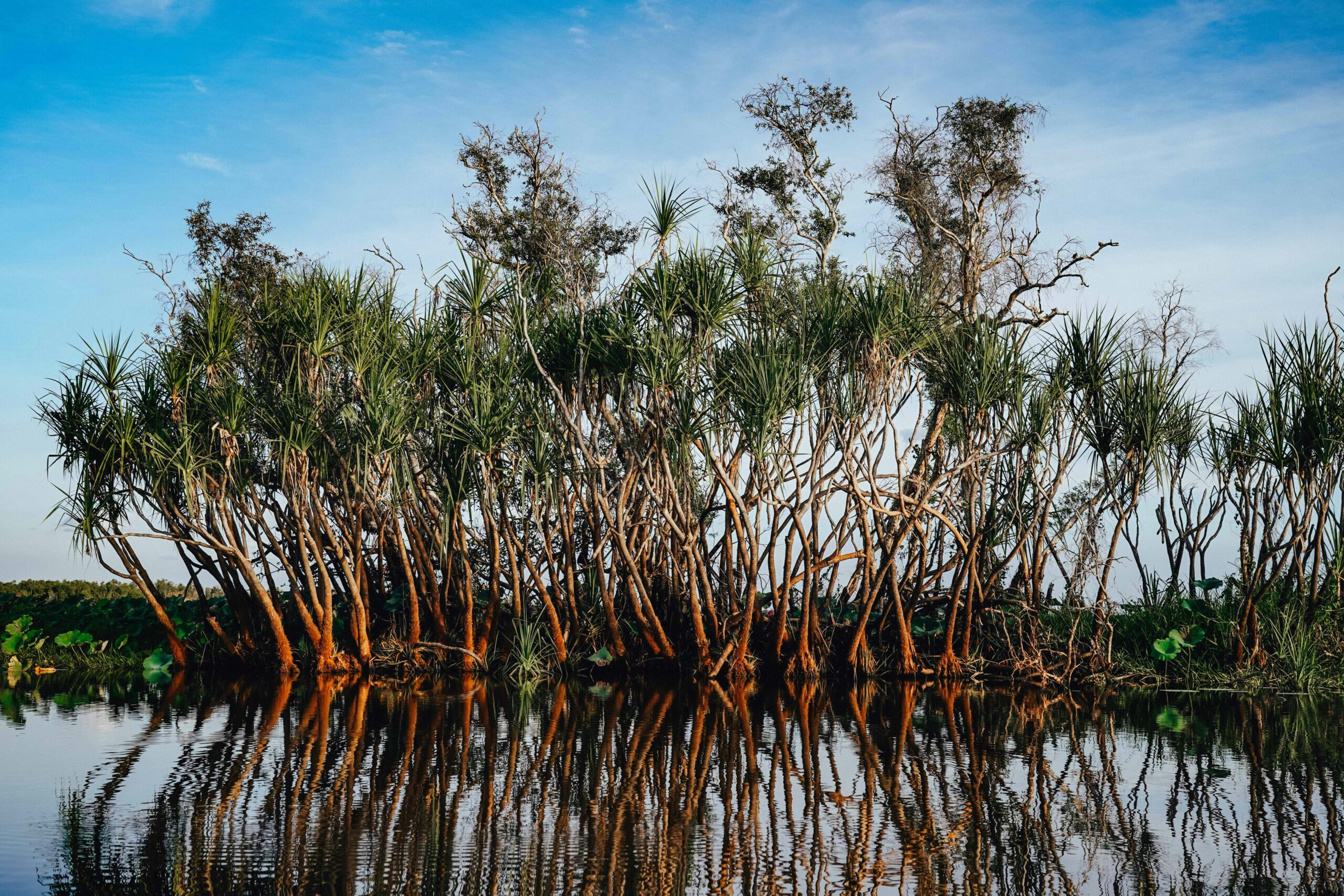
🌿⛰️🐊 Kakadu National Park
In the rugged heart of Australia’s Northern Territory lies Kakadu National Park, one of the most extraordinary natural and cultural landscapes on Earth. Covering nearly 20,000 square kilometers — about the size of a small country — Kakadu is the largest national park in Australia, a place where ancient rock art meets thundering waterfalls, wetlands teem with wildlife, and landscapes shift dramatically from season to season.
Kakadu is a UNESCO World Heritage Site for two reasons:
-
Outstanding natural ecosystems
-
Deep cultural significance, representing more than 65,000 years of continuous Indigenous history
There is no other national park in the world that combines such biodiversity with cultural heritage on this scale. To visit Kakadu is to walk into the soul of Australia — a place where time feels ancient, stories live in stone, and the land breathes with spirit.
A Land Older Than Memory
Kakadu is home to the Bininj people in the north and the Mungguy people in the south — the traditional custodians who have lived here since the Ice Age. Their history is not just written in books — it is painted on cave walls, spoken through Dreamtime stories, and carried through ceremonies, art, and connection to land.
To these communities, Kakadu is not simply a national park; it is:
-
A home
-
A cultural classroom
-
A spiritual landscape filled with ancestors’ presence
Their philosophy teaches that:
Humans belong to the land — not the other way around.
This deep relationship guides modern park management, making Kakadu one of the world’s leading examples of joint conservation between Indigenous people and the government.
Rock Art: The World’s Oldest Visual History Book
Kakadu contains over 5,000 rock art sites, with many more hidden and undiscovered. Some artworks date back 20,000+ years, capturing:
-
Daily life — hunting, fishing, gathering
-
Spiritual beings — including the Rainbow Serpent
-
Contact history — images of Europeans and sailing ships
-
Laws of culture and elders
Two famous rock art galleries are:
🖼️ Nourlangie (Burrungkuy)
Home to ancient works portraying spirits and ancestors such as Nabulwinjbulwinj, a dangerous being from Dreamtime stories.
🖼️ Ubirr
Here, artwork shows:
-
Barramundi fish
-
Saltwater crocodiles
-
Wallabies
-
The Mimi spirits — believed to have taught Indigenous people how to paint
Watching the sunset from Ubirr after absorbing thousands of years of storytelling is one of the greatest travel experiences in Australia. The sun melts into lush floodplains where wildlife moves freely — a scene unchanged for millennia.
A Landscape of Extreme Season Changes
Kakadu experiences two main seasons, though locals often describe six — each with unique moods:
| Season | Indigenous Name | What Happens |
|---|---|---|
| Wet Season | Gudjewg | Waterfalls roar, storms roll in, floods enrich wetlands |
| Dry Season | Wurrgeng to Gunumeleng | Rivers shrink, wildlife gathers at waterholes, ideal for travel |
During the wet season (November to April):
-
Waterfalls reach explosive power
-
Monsoon clouds create dramatic skies
-
Crocodiles rule swollen rivers
-
Roads may disappear underwater
During the dry season (May to October):
-
The landscape turns golden
-
Billabongs become full of birds and animals
-
Water holes are ideal for swimming — in safe areas only!
This transformation gives visitors two vastly different experiences depending on the time of year.
Waterfalls and Natural Pools: Power and Peace
Kakadu’s waterfalls are among Australia’s most spectacular — each one a reward for adventure and effort.
💦 Jim Jim Falls
Towering cliffs surround a deep pool, accessible through a challenging but stunning hike.
💦 Twin Falls
Water fans gracefully over dramatic rock walls — often reached by boat or helicopter in the wet season.
💦 Gunlom Falls
Famous for its infinity pool at the top of the falls, with sweeping views of the wilderness.
These places feel sacred — not just scenic — offering moments of awe and tranquility.
Wetlands That Burst With Life
The Yellow Water Billabong is a remarkable wetlands ecosystem:
-
Home to saltwater crocodiles, basking and hunting
-
Thousands of birds fill the sky, including magpie geese, jabirus, and whistling ducks
-
Water buffalo graze near the shores
-
Lotus flowers and water lilies decorate the surface
Sunrise cruises here feel like entering a nature documentary — the water still as glass, the horizon glowing orange, wildlife just waking.
Kakadu contains one-third of Australia’s bird species, making it a paradise for bird lovers.
A Kingdom of Crocodiles
Kakadu is home to the largest concentration of saltwater crocodiles in the world — powerful reptiles that have survived since the age of dinosaurs. From babies barely longer than a shoe to giants over 6 meters, crocs are respected rulers of wetlands and rivers.
Visitors quickly learn:
-
Signs near water are warnings to be followed
-
Only designated swimming areas are safe
-
Crocs play a vital role in the ecosystem
Their presence reminds everyone that Kakadu is truly wild.
Plants: Ancient and Essential
Kakadu preserves rare species from prehistoric times. Across its varied landscapes — wetlands, stone country, mangroves, monsoon forests — grow:
-
Eucalypts adapted to fire and climate extremes
-
Cycas palms from ancient lineages
-
Medicinal plants used in Indigenous healing practices
Fire management, done through traditional “cool burning,” restores biodiversity and reduces the risk of destructive bushfires. For thousands of years, this practice has shaped the land in harmony with its needs.
Cultural Experiences and Learning
Visitors can join Indigenous-guided tours to learn:
-
Traditional hunting and gathering
-
Didgeridoo music and storytelling
-
Bush medicine and survival knowledge
-
How the Dreaming connects people, animals, and nature
These experiences give travelers deeper respect for the land and those who protect it.
Adventure Awaits Everywhere
Kakadu invites explorers of all interests:
✔ Birdwatching and wildlife photography
✔ Hiking in stone country escarpments
✔ 4WD adventures through rugged tracks
✔ Swimming in pristine natural pools
✔ Stargazing under deep, dark skies
✔ Camping beneath bright constellations
Here, technology fades — nature becomes everything.
Why Kakadu Matters to the World
| Reason | Importance |
|---|---|
| Indig. cultural heritage | One of the world’s longest continuous cultures |
| Ancient rock art | Global treasure of storytelling and history |
| Enormous biodiversity | Wetlands, wildlife, ancient plants |
| Environmental conservation | Model of joint stewardship |
| Emotional impact | Deep connection between land and human spirit |
Kakadu is not a tourist attraction — it’s a living cultural landscape and a global conservation icon.
The Spirit of Kakadu
Every traveler leaves Kakadu changed — more aware of:
-
The ancient rhythms of Earth
-
The strength of culture and tradition
-
Our responsibility to protect nature
As Indigenous elders say:
“If you look after the land, the land will look after you.”
Kakadu teaches humility.
It teaches respect.
It teaches what it means to belong to a place older than time.
It is, truly, the wild heart of Australia.
No responses yet